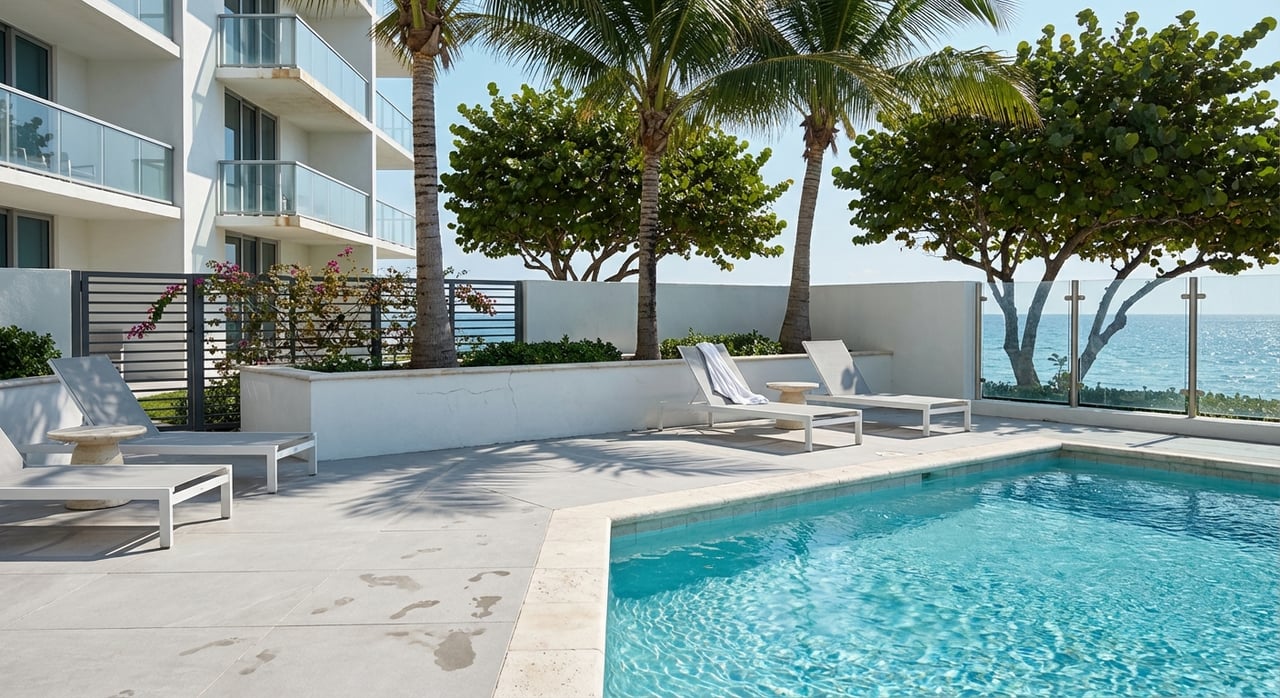
Wake to a soft pink horizon, step onto your balcony with coffee, and listen to the surf set the pace for your day. If you are picturing a Fort Lauderdale ocean-view condo, that scene can become your everyday. Still, the best ocean lifestyle works when you know the rhythms, rules, and real costs behind the view. In this guide, you will learn how life actually flows in these buildings, what seasons feel like, how parking and beach access work, and what to budget for HOA dues, insurance, and rentals. Let’s dive in.
What everyday life feels like
Ocean-view living in Fort Lauderdale is water-first. Long beaches along A1A, an active Intracoastal, and steady boat traffic shape your day. You see joggers on the promenade, paddleboarders at sunrise, and evening walks by the water. The local visitor brand highlights this water-forward identity across beaches and waterways, which you feel from your balcony to your lobby door. For a sense of the city’s water culture, explore how the destination presents itself on Visit Lauderdale.
Morning routines that stick
Sunrise views tend to reset your morning. Many residents make a ritual of balcony breakfast, a quick beach walk, or a paddle before work. You will likely filter plans through your building’s flow too, like elevator timing, valet pickup, or scheduling deliveries around lobby traffic.
Seasons change your pace
From mid December through April, expect more visitors, busy restaurants, and a lively promenade. Late spring and fall feel quieter, with easier reservations and lighter traffic. South Florida’s seasonality matters for everyday happiness, so plan a visit in different months to test your comfort level. For broader timing context, see this overview of the best times to visit Florida.
Big events and the boating heartbeat
Each fall, the Fort Lauderdale International Boat Show brings tens of thousands of visitors and creates a visible spike in traffic and waterfront activity. If you love boats, it is energizing. If you prefer calm, it is a good week to plan ahead. Get a sense of scale from the show’s organizer on the MIASF events page.
Weather rhythm you plan around
The Atlantic hurricane season runs from June 1 through November 30, with the busiest stretch often in late summer into fall. Buildings in oceanfront zones typically emphasize impact glass, shutters, and seasonal readiness checks. For official timing and outlooks, use the NOAA Climate Prediction Center’s hurricane season page.
Buildings and amenities to expect
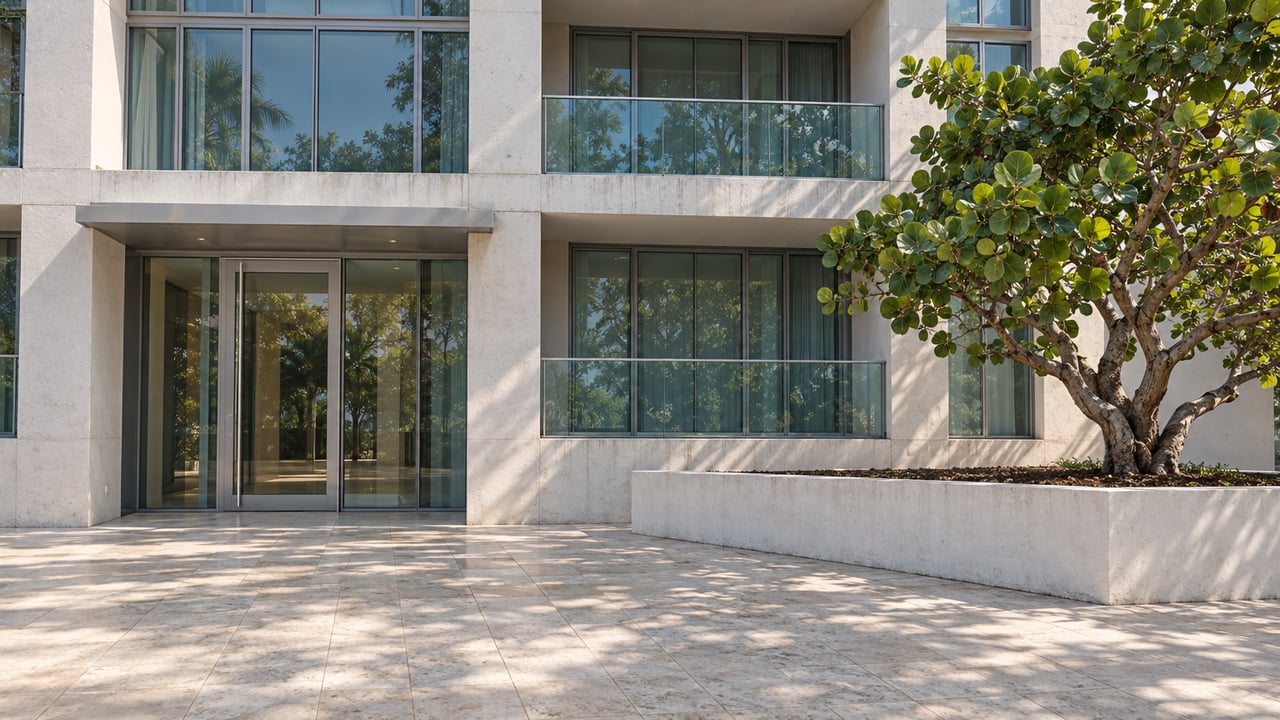
Ocean-view options range from classic mid-rises to new luxury towers. High-rises often bring floor-to-ceiling glass, resort pools, fitness centers, concierge service, and valet. Boutique buildings trade some staffing and services for a lower-key vibe. New luxury towers add hotel-style perks like beach clubs, spas, private dining rooms, and premium finishes.
Common features you will see:
- Assigned or deeded garage parking, sometimes with valet and visitor spaces
- Ocean-view or heated pools, cabanas, and beach chair service in select buildings
- Fitness centers, saunas, staffed lobbies, security, package rooms, and private elevators
- Impact-rated windows and routine balcony inspections for coastal exposure
- EV charging stations in many garages
Parking, permits, and guest plans
Your building covers resident spaces, but city rules govern street and public-lot parking near the beach. Expect pay-by-phone meters and variable rules during events and holidays. If you plan frequent guest visits, read your building’s guest parking policy and review the city’s Residential Beach Parking Permit program for local options.
Beach access and getting around
Fort Lauderdale’s beaches and waterfronts are public with promenades, parks, and municipal parking areas. Some buildings include private beach service like chairs or cabanas for residents, but that is different from public beach access. If you will host out-of-town family, it helps to map the nearest public lots on the city’s parking locations page and to plan for popular weekends.
Most everyday errands are a short drive inland. Many residents pair ride-hailing with walking the promenade to dinner or coffee. During high season, reservations and a few extra minutes for traffic go a long way.
Costs to plan for
You will see a range of price points on the beach. A recent neighborhood snapshot placed Lauderdale Beach’s median sale price near $487,500 for all property types, which reminds you that not everything is ultra-luxury. At the same time, direct ocean-view condos follow their own tiers by building, floor, and view line.
Typical 2025–2026 patterns you might encounter:
- Entry ocean-view units: smaller 1-bedrooms or older mid-rises in the lower mid six figures, depending on building and line
- Mid-range ocean-view condos: many updated 2- to 3-bedroom units in amenity buildings commonly range around $900K to $1.5M, subject to building health and view
- Luxury oceanfront and penthouses: multiple millions, with premiums for new construction and trophy towers
Prices move with the market, the line, and recent building work. Ask for live comps and building-specific context before you frame your budget.
HOA fees and carrying costs
Association dues vary widely on the beach, from hundreds per month in simpler buildings to several thousand in full-service towers. In recent building snapshots, it is common to see numbers from about $800 per month to $3,900 per month or more, depending on unit size and services. Read the budget, reserves, and any planned projects so you understand what your dues fund.
Flood and insurance basics
Much of Broward County intersects FEMA flood zones, and flood designations can affect closing costs and insurance even on higher floors. Before you fall in love with a view, check the property’s flood zone on the county’s flood map search and ask your insurer for quotes based on that designation.
Salt, corrosion, and building upkeep
Ocean air is beautiful and hard on metal. Balconies, railings, exterior metals, and some mechanicals need regular attention, which is why oceanfront HOAs budget for exterior maintenance and healthy reserves. For background on coastal construction and corrosion protection, see FEMA’s technical bulletins for the NFIP. This context helps you read reserve studies with the right lens.
Rental rules and income potential
If rental income is part of your plan, confirm both the city rules and the building’s rules. Fort Lauderdale requires vacation-rental registration, inspections, and compliance. You can review the program details and fees on the city’s Vacation Rental Program page. Condo associations often set stricter limits than the city, such as minimum lease terms, caps on the number of leases per year, and waiting periods for new owners.
Practical walkthrough before you buy
Use this quick process to test both the lifestyle and the investment:
- Visit in two seasons. Sample high season energy in Dec–Mar and summer heat and quiet in Jun–Aug.
- Read the building’s health. Ask for the most recent reserve study, meeting minutes, and any special assessment notices.
- Confirm parking in writing. Note deeded vs assigned spaces, valet rules, guest parking, EV charging, and any city restrictions near your building.
- Check flood and insurance early. Pull the county’s flood-zone information and get quotes from your insurer based on that designation.
- Ask about hurricane prep. Confirm impact-rated windows or shutters, common-area generator coverage, and storm procedures.
- Budget for salt-air upkeep. Expect cycles for exterior painting, balcony and railing work, and proactive corrosion protection.
- Verify rental policy. Read the association’s rules and match them with the city registration process before you model revenue.
Is ocean-view condo life right for you?
If you value morning light, a walkable beach routine, and easy access to boat life, this lifestyle delivers daily joy. If you prefer quiet above all, you can still find it, but you will want a building with good sound mitigation and clear rules, and you will want to plan around event weeks and holiday weekends. The best fit usually comes from matching your pace to the building’s personality, not just the view.
When you are ready to explore buildings, floor plans, and line-by-line differences, connect with a local team that understands both the luxury lifestyle and the operational side of waterfront living. To tour options, compare amenities, and navigate HOA, insurance, and rental rules, reach out to Team Van Zyl. We will help you find the right ocean-view home base in Fort Lauderdale.
FAQs
How quiet is beachfront living in Fort Lauderdale ocean-view condos?
- Mornings often feel calm with walkers and joggers, while afternoons and seasonal weekends bring more activity. Big events and holidays can create short, predictable spikes in noise and traffic.
Do Fort Lauderdale ocean-view condos include private beach access or service?
- Some buildings offer beach clubs or chair service, but beaches and access points are public. You can check nearby public lots and access on the city’s parking locations page.
What surprises new owners in Fort Lauderdale ocean-view buildings?
- Salt corrosion on exterior metals, higher HOA dues for amenities and reserves, and stricter building rules on balconies and rentals are common surprises.
How does resident and guest parking work near the beach in Fort Lauderdale?
- Buildings assign or deed resident spaces, and the city manages street and public-lot parking. Residents can review the Residential Beach Parking Permit program for discounted options.
When is hurricane season in Fort Lauderdale and how do buildings prepare?
- The Atlantic season runs from June 1 through November 30. Many buildings use impact glass or shutters and follow seasonal checklists. See NOAA’s hurricane season page for timing and outlooks.
What are the short-term rental rules for a Fort Lauderdale condo?
- The city requires registration, inspections, and fee compliance for vacation rentals, and condo associations can set tighter limits. Review the city’s Vacation Rental Program and your building’s condo docs.
How do HOA fees and assessments work for ocean-view condos?
- Dues fund operations, amenities, insurance, and reserves, and they vary by building. Ocean exposure often leads to planned exterior projects, which is why healthy reserves and clear communication on assessments matter. FEMA’s technical bulletins explain the coastal maintenance context.
How do big events like FLIBS affect daily life in a beach condo?
- Expect more traffic, full restaurants, and a fun, boat-centric atmosphere for a few days. If you prefer calm, plan restaurant reservations and parking ahead during the Fort Lauderdale International Boat Show.