Thinking about buying a Fort Lauderdale multifamily property from another state? You are not alone, but this is not a market where broad averages tell the whole story. In Fort Lauderdale, the difference between a solid investment and a frustrating one often comes down to submarket, building age, lease quality, taxes, and local compliance details. This guide will help you understand what to watch, how to underwrite more carefully, and where a local team can protect your downside. Let’s dive in.
Why Fort Lauderdale looks different up close
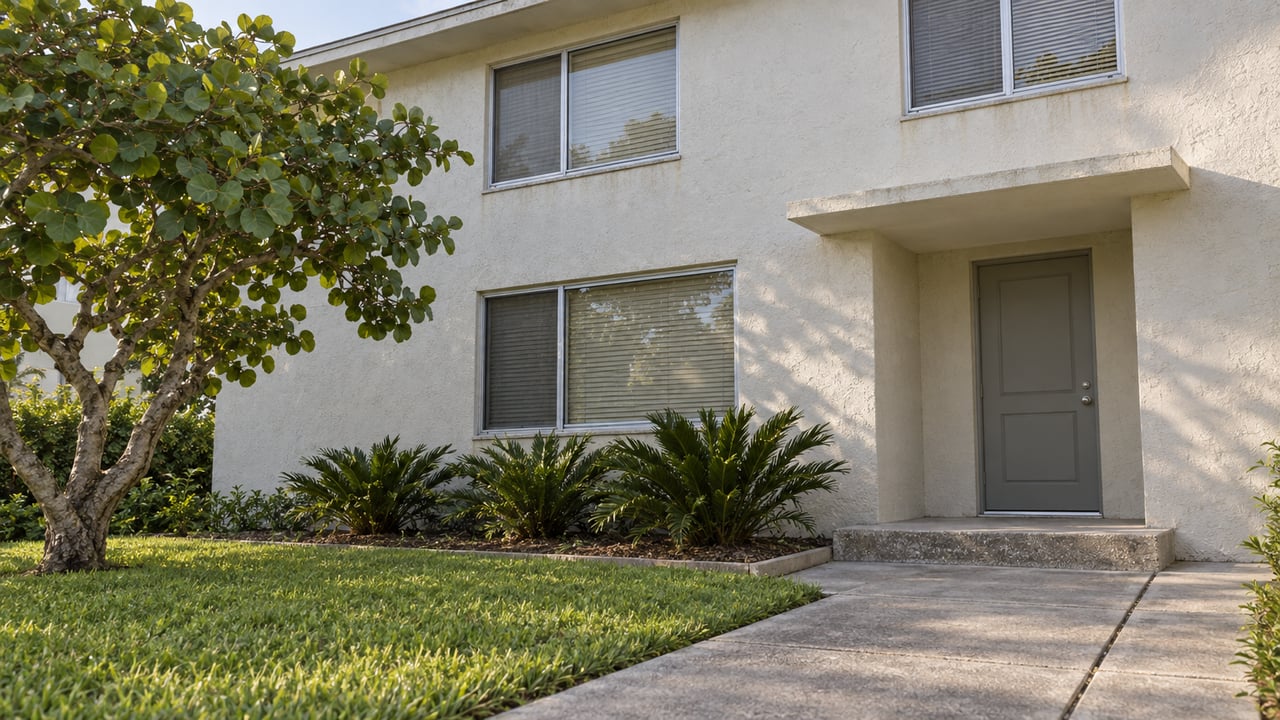
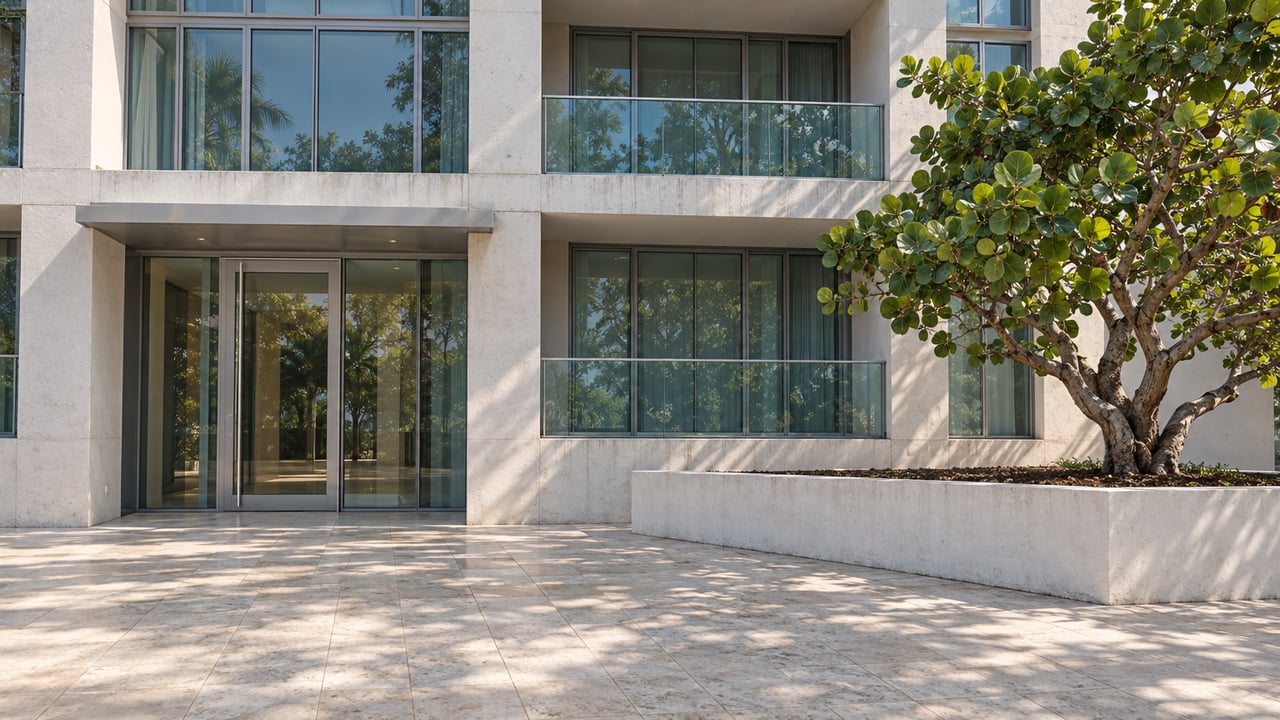
Fort Lauderdale is not one simple multifamily market. Small properties here range from older duplexes, triplexes, fourplexes, and low-rise apartment buildings to newer Class A communities concentrated in more development-heavy areas.
That matters because you are often comparing very different asset types. An older small building in a central neighborhood may offer value-add potential, while a newer property near downtown or east-side lifestyle hubs may compete more on amenities and newer finishes. Those are not interchangeable investments, even if they sit under the same city name.
The city’s redevelopment history helps explain this mix. In parts of Fort Lauderdale, older bungalow-style neighborhoods later absorbed duplexes and small multifamily buildings after rezoning in the 1970s, which is one reason older rental stock still shows up in central areas today.
What out-of-state buyers should know first
If you are investing from afar, Fort Lauderdale rewards precision. Countywide data can give you a baseline, but the actual performance of a small multifamily deal usually depends on block-by-block conditions and property-level details.
That is especially true in a market where newer supply is concentrated in certain submarkets. In 2025, a large share of completions landed in Central Fort Lauderdale and Hollywood/Dania Beach east of I-95, and more than 80% of the current pipeline was Class A luxury product. That can create very different leasing pressure depending on where you buy.
For remote buyers, the key is simple: underwrite the actual property, not the headline market. A duplex, fourplex, or 8-unit building should not be evaluated the same way as a 100-plus-unit institutional asset.
Fort Lauderdale pricing and cap rates
Recent reports placed stabilized Broward and Fort Lauderdale multifamily cap rates in the mid-5% range during 2025. Fort Lauderdale cap rates were reported around 5.6% in Q3 2025, while Broward was around 5.5% by the end of Q2 2025.
At the same time, older properties or deals with higher vacancy traded at noticeably wider cap rates, sometimes above 7%. That spread tells you something important. Buyers are assigning real value to stability, physical condition, and cleaner operations.
If a listing appears to offer a much higher yield than the market average, you should assume there is a reason and investigate it. In many cases, the explanation is not just location. It may be deferred maintenance, lease weakness, vacancy, concessions, or a combination of all four.
Rent growth is not uniform
One of the biggest mistakes out-of-state investors make is using one rent-growth assumption across all of Broward County. Current data suggests that approach can be too aggressive.
For the Fort Lauderdale market area in November 2025, in-place rents were up 1.6% year over year, renewal rents were up 3.6%, and new-lease rents were down 0.9%. Roughly 15% of units were also offering concessions. That means your upside on turnover may look very different from your performance on renewals.
Countywide, Broward stabilized multifamily occupancy was 93.2% at year-end 2025, with average effective rent at $2,423 per unit. The county added 3,484 units in 2025 and still had 6,886 units under construction. Those numbers help explain why some submarkets feel more competitive than others.
How submarkets shape your strategy
Fort Lauderdale and greater Broward are easier to understand when you think in patterns rather than city labels. The clearest pattern is often east versus west, and core versus periphery.
East-of-I-95 areas near downtown and Las Olas tend to be more amenity-driven and more exposed to new development. These locations can attract strong renter interest, but they may also face more direct competition from newer product and concessions.
Central Fort Lauderdale captured nearly 40% of Broward’s 2025 absorption, which shows that renter demand is still active there. But other nearby supply-heavy areas, including Hollywood/Dania Beach and Pompano Beach/Deerfield Beach, showed more vacancy pressure.
In lower-rent submarkets such as Oakland Park/Lauderhill, annual rent gains were stronger as renters shifted toward more affordable areas. Inland locations like Plantation, Pembroke Pines, and Coral Springs also saw more limited construction, which reduced immediate vacancy risk.
For you as a buyer, the takeaway is practical. Submarket function matters more than citywide averages. A small multifamily asset in a stable, less-supplied area may underwrite very differently from a similar-looking property in a development-heavy corridor.
Older properties can be attractive, but they need tougher diligence
Many of the small multifamily opportunities that appeal to investors in Fort Lauderdale are older buildings. That can be a plus if you are looking for better basis, operational upside, or a value-add play.
But older buildings also require more diligence. You need to understand roof age, mechanical systems, unit condition, deferred maintenance, and any local inspection exposure before you get comfortable with pricing.
In Broward County, the building safety inspection program applies to older buildings at the 40-year threshold, with repeat inspections every 10 years after that. The program excludes single-family homes, duplexes, and minor structures under 3,500 square feet, but many true small apartment buildings should still be reviewed carefully for possible inspection obligations.
Because those reports must be prepared by a Florida-licensed engineer or architect, and repairs are generally addressed on a 180-day timeline, this is not a detail to leave for after closing. It can affect both your capex budget and your transaction timing.
How to underwrite rent rolls from afar
A rent roll is where remote underwriting starts, but it should never be where it ends. In this market, you need to separate at least three numbers: in-place rent, expected renewal rent, and expected new-lease rent on turnover.
That matters because renewals have recently outperformed new leases. A property with decent current occupancy may still have softer upside than it appears if turnover units need concessions to lease.
Here is a simple remote underwriting checklist:
- Review current in-place rents unit by unit
- Identify month-to-month tenants and lease expiration dates
- Flag units that appear below market
- Confirm whether recent leasing used concessions
- Separate renewal assumptions from turnover assumptions
- Verify actual collections, not just scheduled rent
- Compare occupancy quality, not just occupancy percentage
A local broker or property manager should also confirm whether the seller achieved occupancy through temporary discounts rather than organic demand. That distinction can materially change your first-year cash flow.
Do not rely on the seller’s property tax bill
Florida property taxes are one of the most important underwriting items for out-of-state buyers. If you use the seller’s historical tax bill as your future tax number, you may understate expenses.
The Broward County Property Appraiser states that buyers should not assume taxes will remain the same after a sale because a change in ownership can reset assessed value closer to market value. Florida also assesses property taxes annually based on January 1 values.
That means your tax line should be modeled from current data, not backward-looking assumptions. For many remote investors, this is one of the easiest ways to overestimate cash flow on day one.
Zoning and parcel-level review matter more than you think
Fort Lauderdale can shift quickly from block to block. The city provides parcel-level zoning lookups and notes zoning categories such as Residential Duplex/Medium Density and Residential Multifamily Mid-Rise in redevelopment areas.
That is useful because zoning helps shape not only current use, but also future options and nearby redevelopment risk. Two properties with similar rents can have very different long-term stories depending on zoning context and nearby land use.
If you are buying sight unseen, zoning should be part of your early review, not a last-minute legal item. It helps you understand what exists today and what may change around the property over time.
Flood exposure needs a real check
In South Florida, flood review is basic diligence, not optional diligence. FEMA’s Flood Map Service Center is the official flood-hazard map source, and that check should happen early in your process.
Flood exposure can shape insurance costs, reserve planning, and even your comfort level with the deal long term. For out-of-state buyers, this is another place where local execution matters because flood realities can vary significantly by parcel.
Lease files and security deposits need close review
When you buy a small multifamily property from afar, lease-file compliance can be easy to overlook. That is a mistake, especially if you are stepping into an occupied building with inherited records.
Florida law requires landlords to give deposit notices, return or claim deposits within specific timelines, and transfer security deposits and advance rents when ownership or management changes. Before closing, your team should verify lease files, deposit ledgers, and transfer procedures.
This is not just paperwork. Missing or inaccurate records can create friction right after closing, exactly when you want a smooth handoff.
A better approach for remote buyers
If you are investing in Fort Lauderdale from out of state, your edge is not trying to predict the whole market better than everyone else. Your edge is building a repeatable diligence process and applying it with discipline.
A smart process usually includes:
- County and submarket rent and vacancy review
- Property-level rent-roll analysis
- Tax underwriting based on current appraiser guidance
- Parcel-level zoning confirmation
- Flood-map review
- Inspection and capex planning for older buildings
- Lease-file and deposit-ledger verification before closing
That kind of process is especially useful in a market where asset age, submarket conditions, and operational quality often matter more than broad averages. It also fits how many successful out-of-state buyers already invest: local data, local verification, and conservative assumptions.
Why local execution still wins
Remote buying is more common than ever, and Fort Lauderdale is a market where sight-unseen transactions can work well with the right support. But this is still a local game when it comes to reading zoning, checking flood exposure, understanding supply pressure, and pressure-testing a rent roll.
That is where having a team that understands both the numbers and the local context becomes valuable. For investors looking at duplexes, triplexes, fourplexes, or small multifamily buildings in Broward, the goal is not just finding a property. It is making sure the deal you buy is the deal you thought you were buying.
If you want help evaluating a Fort Lauderdale multifamily opportunity from out of state, Team Van Zyl can help you review rent rolls, yield assumptions, and local market context with a pragmatic, investor-focused lens.
FAQs
What makes Fort Lauderdale multifamily investing tricky for out-of-state buyers?
- Fort Lauderdale has major differences by submarket, asset age, rent profile, taxes, flood exposure, and inspection risk, so citywide averages often miss what really drives a small multifamily deal.
Are Fort Lauderdale cap rates the same for small multifamily and large apartment properties?
- No. Reported 2025 cap rates in the mid-5% range are useful benchmarks, but they mostly reflect larger multifamily assets, so small properties should be underwritten separately based on actual condition, occupancy, and lease quality.
How should you underwrite rent growth in Fort Lauderdale multifamily deals?
- You should model in-place rents, renewal rents, and new-lease rents separately because recent data showed renewals outperforming new leases while concessions remained common.
Why do Broward County property taxes matter so much after closing?
- A sale can reset assessed value closer to market value, so the seller’s old tax bill may not reflect your future taxes.
Do older Broward County apartment buildings have special inspection concerns?
- Yes. Older buildings may be subject to Broward’s building safety inspection program at the 40-year mark and every 10 years after, so buyers should review potential compliance and repair costs before closing.
What should out-of-state buyers verify before closing on a Fort Lauderdale multifamily property?
- You should verify zoning, flood exposure, rent-roll quality, concessions, lease files, security deposit ledgers, taxes after reassessment, and any inspection-related capex or timing issues.