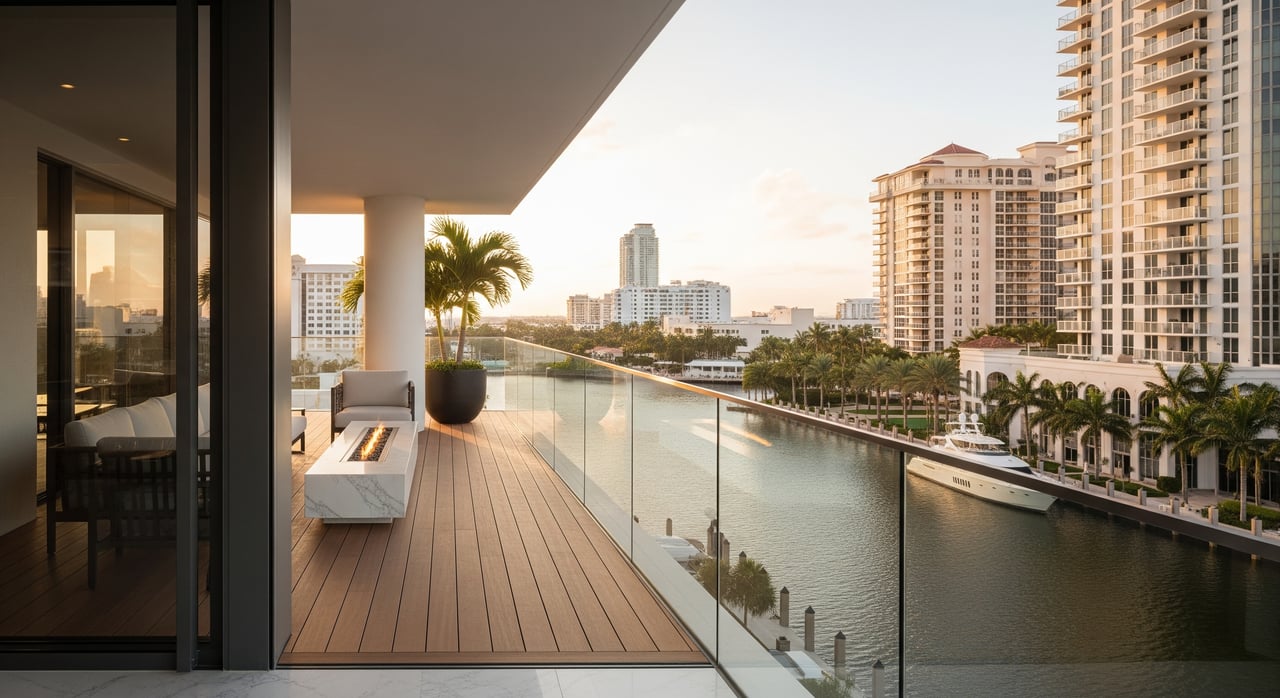
Torn between a shiny new tower and a proven resale condo in Downtown Fort Lauderdale? You want waterfront convenience, strong amenities, and a place that holds value without surprise costs. In this guide, you’ll learn how new and resale buildings compare on price, HOA dues, insurance, finishes, rental rules, and financing. You’ll also get a due diligence checklist and an easy decision matrix you can use today. Let’s dive in.
Downtown market context
Downtown Fort Lauderdale combines modern luxury towers with established mid and high-rises from the 1980s through the 2000s. New construction typically commands a higher price per square foot for contemporary design and systems. Older buildings can offer value on a per-square-foot basis, but they may carry near-term capital needs.
Since 2021, buyers across South Florida pay closer attention to structural safety, reserve funding, and insurance. You should expect to review association budgets, reserve studies, and inspection history as a standard part of the process.
Cost breakdown: purchase and monthly
Price per square foot patterns
New towers usually sit at the top of the local price range. You pay for design, ceiling height, impact glass, and modern mechanicals. Resales can trade at a lower price per foot, with bigger spreads in older buildings or those with modest amenities.
HOA dues and what they fund
New buildings with concierge, valet, multiple pools, fitness centers, and co-working spaces often have higher monthly dues to cover staffing and operations. Established buildings may have lower dues if they offer fewer amenities. Review the latest budget to see how much goes to reserves, insurance, and contracts like management, security, and maintenance.
Insurance, taxes, and deductibles
Florida’s insurance market has pushed costs higher for many associations. Some boards have raised master policy deductibles, which shifts more exposure to owners through HO-6 policies. Property taxes vary by assessed value and exemptions. Include all of this in your monthly cost estimate so you compare options apples to apples.
Amenities and lifestyle tradeoffs
New towers: convenience and services
Expect hotel-style amenities like concierge, valet, multiple pools, modern fitness, social lounges, and pet areas. If you work from home or travel often, on-site co-working and package management add real convenience.
Resale buildings: range of offerings
Some older towers in downtown and near the waterways offer robust amenities, while others keep it simple with a pool and community room. Fewer amenities can mean lower monthly expenses, which some buyers prefer.
Boating and marina access
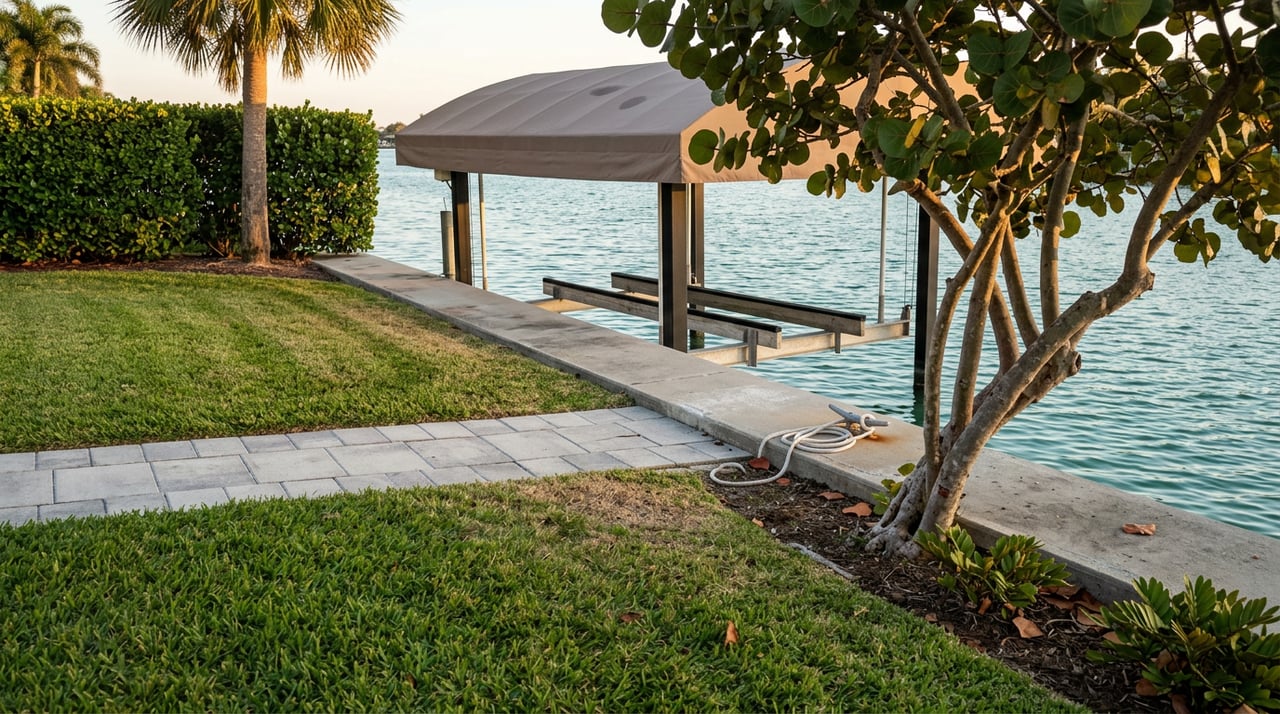
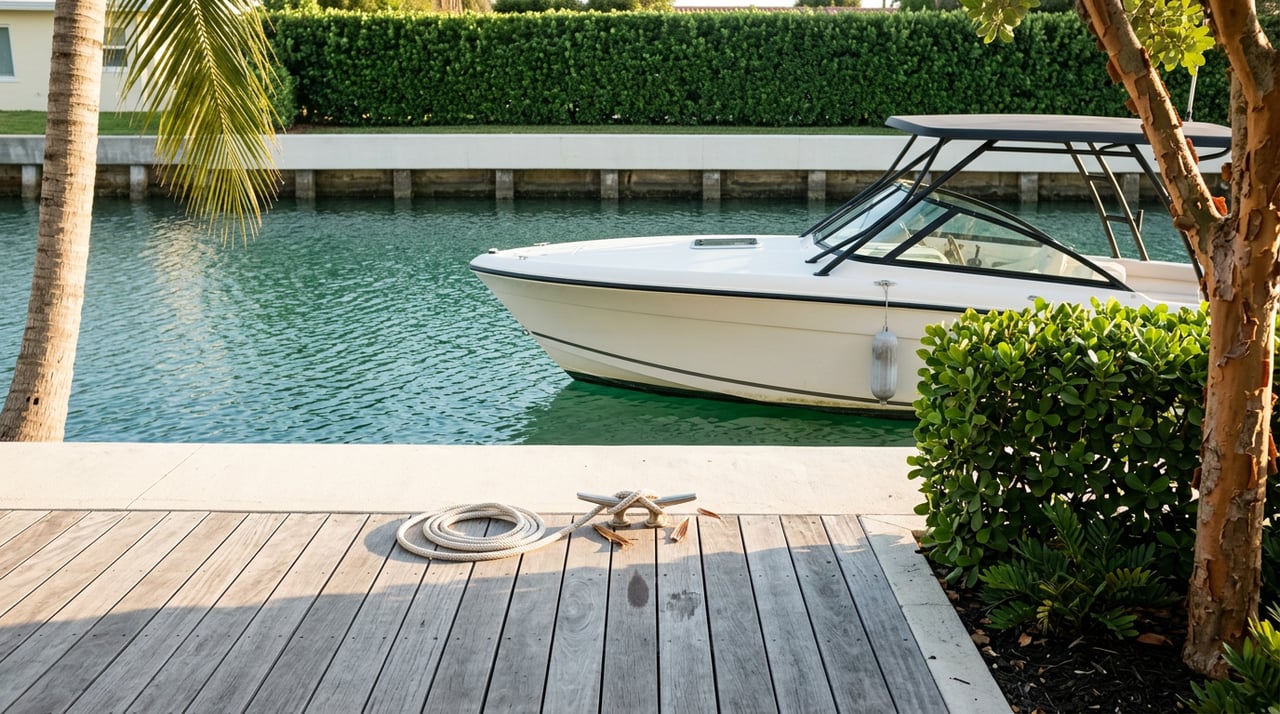
In the “Yachting Capital of the World,” marina access matters. Whether you plan to own a boat or want easy access to the Intracoastal and New River, confirm availability and terms for deeded slips, waiting lists, or nearby docking. A slip or guaranteed access can be a premium feature in both new and resale buildings.
HOA health and assessment risk
What to review before you write an offer
Ask for the latest budget, reserve study, 12 to 24 months of board meeting minutes, any capital improvement plan, and a history of special assessments. Review the master insurance certificate to understand coverage limits and deductibles. Minutes often reveal upcoming projects and likely costs.
New building dynamics
Early years can look stable, but reserves may be minimal at turnover from the developer. Some defects remain under warranty for a period, then shift to the association. Confirm reserve policies, any developer funding obligations, and timing for control transfer to owners.
Older buildings: transparency is key
Historic underfunding of reserves is not uncommon in some associations. Post-Surfside, you should ask whether any structural or engineering inspections have been performed and what the findings were. Focus on items common in South Florida high-rises such as concrete restoration, balconies, elevators, and pool decks.
Finishes and maintenance expectations
New units
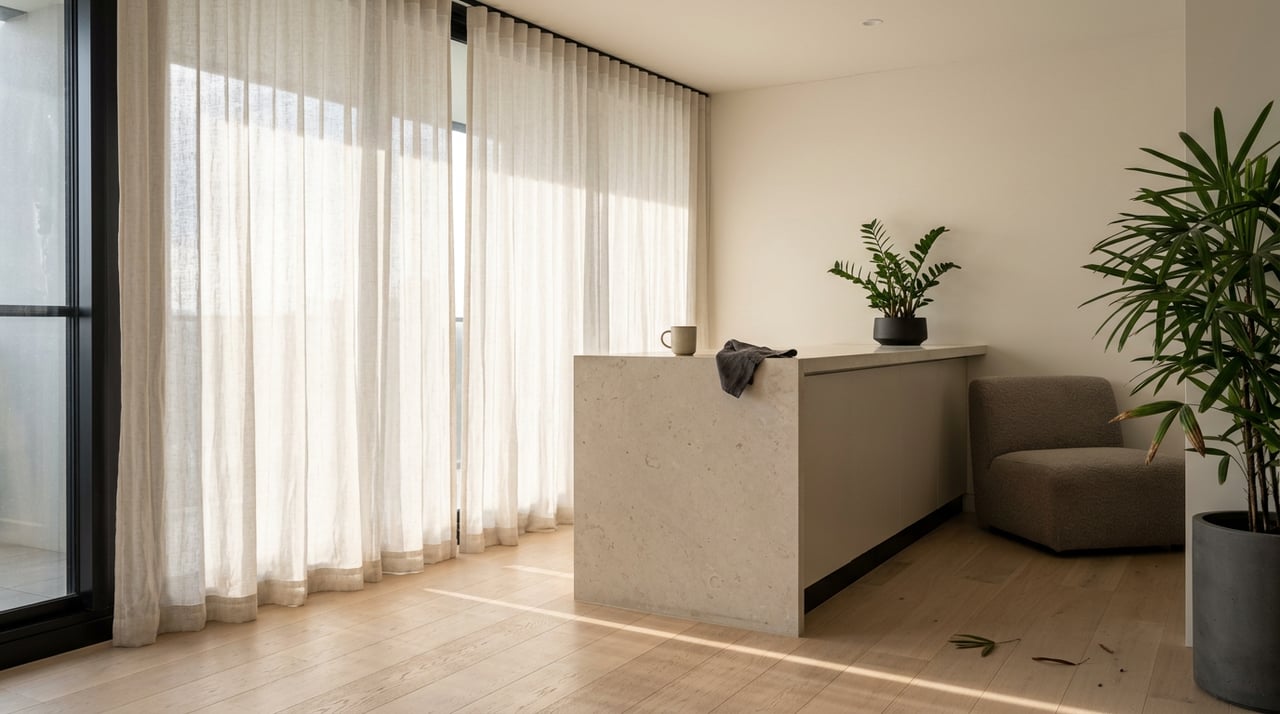
You’ll likely get contemporary kitchens and baths, integrated tech, impact-rated glazing, and newer HVAC. This can reduce near-term repair risk. Warranties may apply for limited periods.
Resale units
Condition varies based on prior renovations. Some units are turn-key, while others need upgrades. Look past surface finishes to the big-ticket items that affect the building as a whole. Ask about recent balcony, window, and mechanical work.
Rental rules and investor factors
Policy differences by building
Many new luxury buildings set minimum lease terms, cap the percentage of rentable units, or restrict short-term rentals. Some resales allow more flexible leasing, while others have tightened rules. Always verify the condo documents. Do not assume investor friendliness.
Marketability and returns
Restrictions can support a residential feel and may reduce wear on common areas. More flexible policies can improve income potential but may impact financing if owner occupancy falls. Check current owner occupancy, any rental cap, and whether rule changes are being discussed.
Financing and lender eligibility
Project approval matters
FHA, VA, Fannie Mae, and Freddie Mac have project eligibility rules. Newly completed or converted projects sometimes need specific approvals, which can limit loan options early on. Established associations may be easier to finance if they meet lender criteria for litigation, delinquencies, and owner occupancy.
Timeline and closing risk
If you need a quick move-in with minimal work, new units can be attractive. If you rely on a particular loan type, verify building eligibility with your lender early. This can save you from last-minute surprises.
Insurance and safety considerations
Master policy basics
Confirm whether the association carries an all-in or bare-walls policy and what the deductible is. High deductibles can shift more risk to owners. Ask for recent claims history and whether any changes are planned to coverage or carriers.
Flood and wind exposure
If the building is in a flood zone, confirm whether the association carries flood coverage for the structure. Owners often need separate HO-6 policies to cover interiors and contents. Strong building systems and newer roofs can lower immediate repair exposure, but every building is unique. Verify the details.
Buyer due diligence checklist
Use this list to keep your process tight and informed.
- Association docs: declaration, bylaws, house rules, rental and pet policies.
- Financials: latest budget, detailed income and expense statements, most recent reserve study, capital improvement plan, and the past 12–24 months of board minutes.
- Assessments: history of special assessments and what they covered.
- Insurance: master policy certificate with limits, deductible, and type; note flood coverage status.
- Legal: any pending or threatened litigation that could affect budgets or lending.
- Occupancy and rentals: current owner occupancy percentage, rent roll if available, leasing restrictions, and any proposed rule changes.
- Building condition: ask for engineering or structural reports, concrete restoration plans, pool and deck inspections, elevator maintenance records, and certifications.
- Unit inspection: hire a South Florida–experienced inspector to check for water intrusion, HVAC, windows and doors, plumbing, and balcony condition.
- Lending: confirm project eligibility for your loan type, developer control status, and any issues that could delay underwriting.
- Practical items: parking (deeded or assigned), storage, renovation approval process, guest policies, and hours for amenities.
Decision matrix: how to choose
Score yourself 1 to 5 in each category, then see which side fits. Higher totals on the left tilt to new; higher on the right tilt to resale.
Lifestyle and amenities
- 5: You want concierge, valet, multiple pools, co-working, plus pet amenities.
- 1: You prefer a simpler building with lower dues.
Maintenance and risk tolerance
- 5: You want lower near-term capital risk and newer systems.
- 1: You accept potential assessments and capital projects if value is there.
Budget: purchase vs monthly
- 5: You can pay a premium for turnkey modern finishes and services.
- 1: You want the best price per foot and can budget for upgrades.
Financing needs and timeline
- 5: You do not rely on FHA or VA and can adjust to project approval timing.
- 1: You need FHA or VA approval or the easiest path to conventional financing.
Investment and rental intentions
- 5: You plan to occupy or accept longer lease minimums.
- 1: You seek flexible rental policies and potential short-term income where allowed.
Example outcomes:
- Buyer A scores high on amenities and low on risk tolerance. They value convenience and quick move-in. A newer tower fits.
- Buyer B is budget-focused with flexible rental needs. They will review established resales with investor-friendly rules and proven financials.
Next steps in Fort Lauderdale
Choosing between new and resale is about aligning your lifestyle with your risk tolerance and budget. For most buyers, the decision becomes clear after a close look at HOA financials, insurance, inspection history, and rental policies. The right building offers what you need today and a clear path to predictable ownership costs.
If you want marina access, docking options, or proximity to shipyards, weigh those features alongside amenities and dues. If you are investing, focus on rental rules, owner occupancy, and any pending changes.
Ready to compare specific buildings and documents side by side, including reserve studies and insurance details? Connect with Team Van Zyl to review options, align with lenders, and prioritize downtown buildings that match your lifestyle or investment plan.
FAQs
What costs differ most between new and resale condos in Downtown Fort Lauderdale?
- New towers often have higher purchase prices and HOAs for full-service amenities, while resales can offer lower price per square foot with potential for upcoming capital projects.
How do HOA reserves affect buyers in Broward County condos?
- Strong reserves reduce the risk of special assessments; underfunded reserves in older buildings can mean higher chances of near-term owner contributions for major repairs.
Are short-term rentals typically allowed in Downtown Fort Lauderdale condos?
- Policies vary widely; many new luxury buildings limit or prohibit short-term rentals, while some older associations allow more flexible leasing with minimum terms.
What insurance items should a Fort Lauderdale condo buyer review before closing?
- Review the master policy type and deductible, flood coverage status, any recent claims, and how deductibles might impact your HO-6 policy and out-of-pocket exposure.
Can I use FHA or VA financing for a new condo in Downtown Fort Lauderdale?
- It depends on project approval; some new buildings are not immediately eligible, while established associations may already meet FHA or VA requirements.
What should boaters look for when choosing a Downtown Fort Lauderdale condo?
- Confirm deeded slips or marina access, waiting lists, docking fees, and any use restrictions, then weigh those benefits against HOA dues and overall location fit.