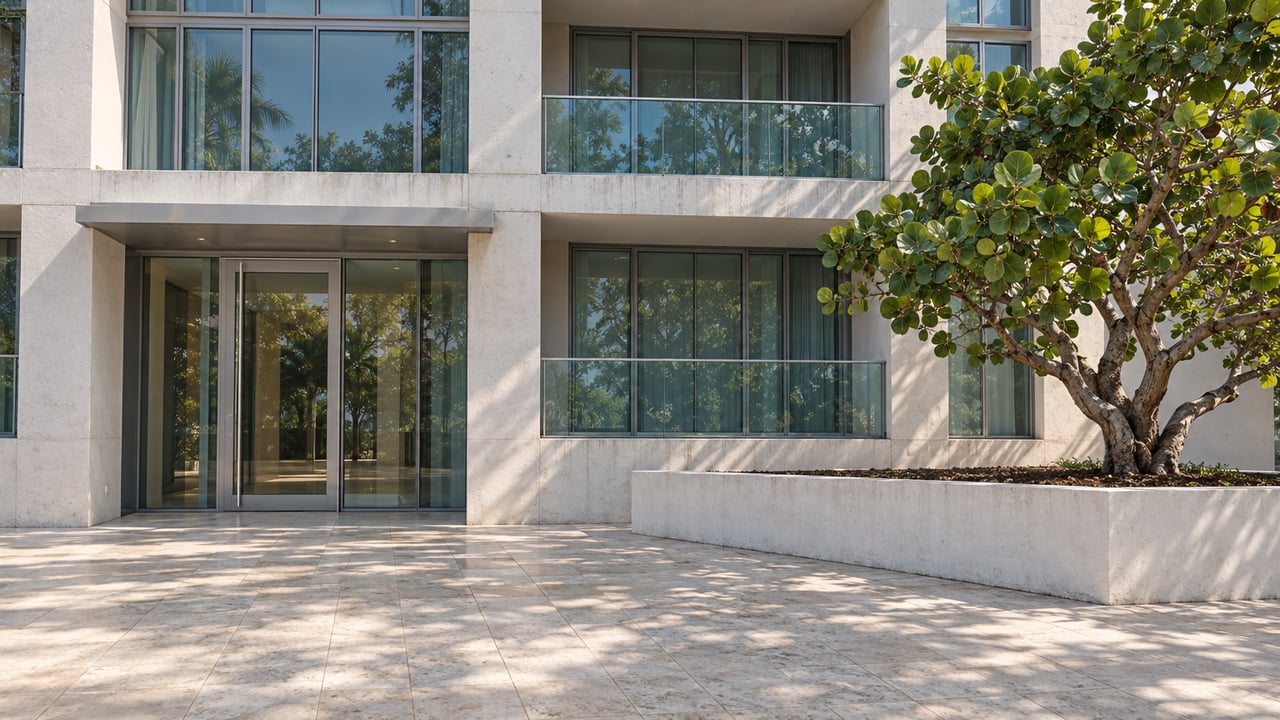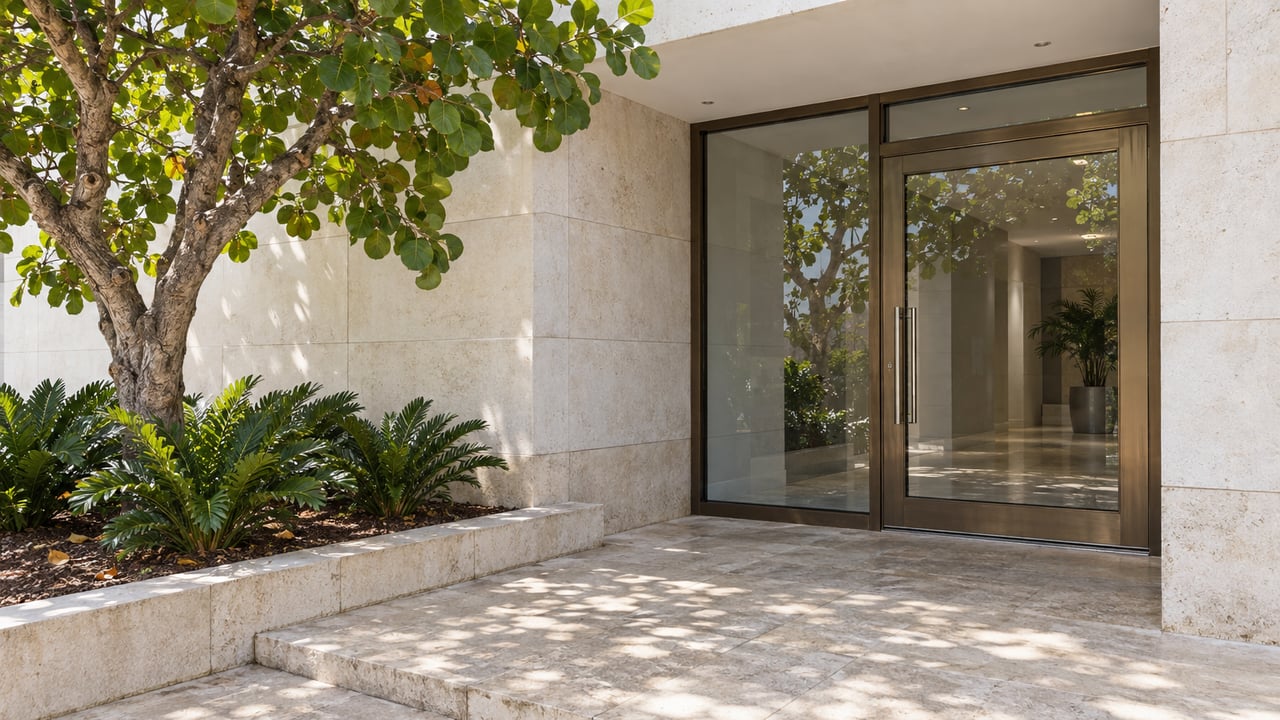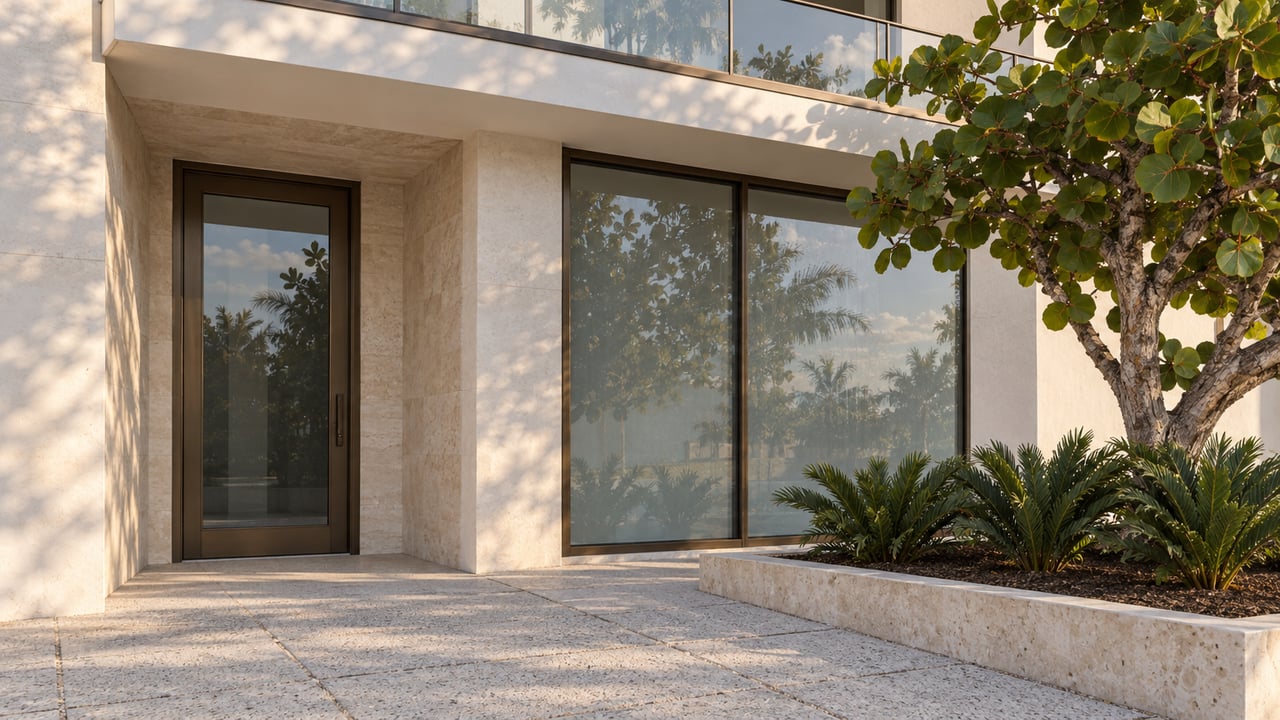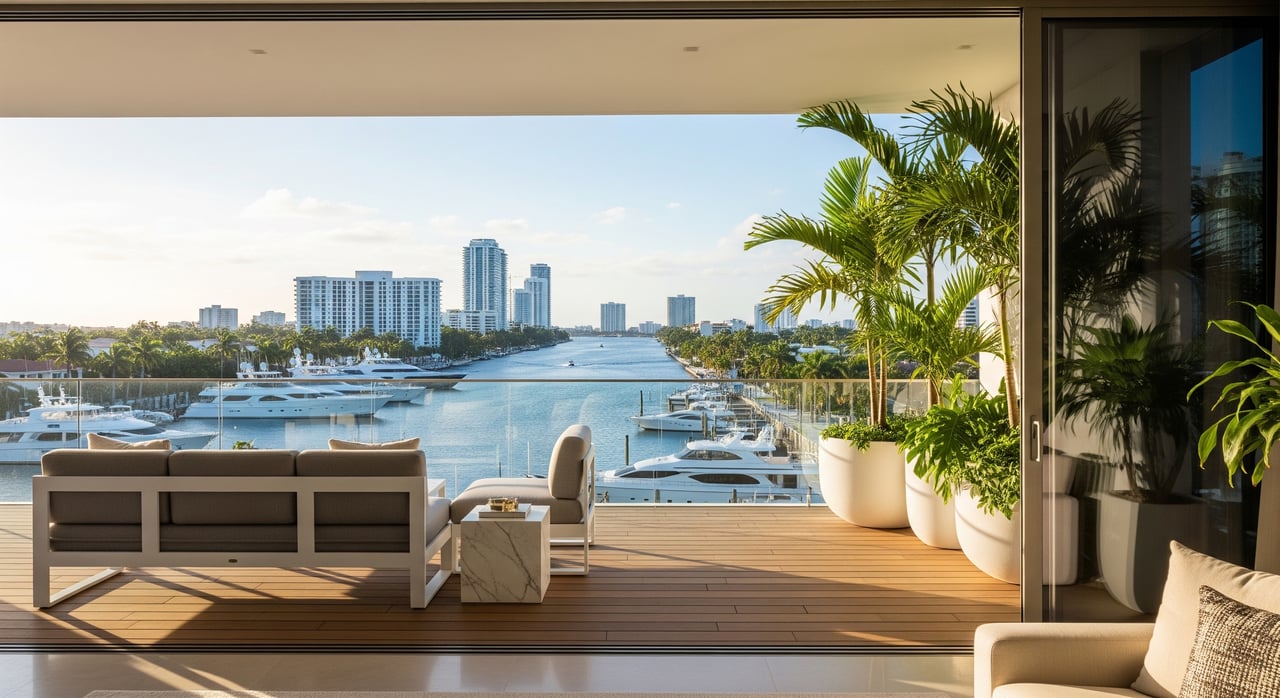
Picture yourself stepping out for coffee along the Riverwalk, catching sea breezes off the New River, then meeting friends on Las Olas for dinner. That is a typical day in downtown Fort Lauderdale. If you want an urban lifestyle with coastal energy, this part of the city offers a compelling mix of condo living, arts, and easy access to the beach.
In this guide, you will learn what daily life feels like, where people live, how you get around, and key ownership details like HOA fees, parking, and insurance. You will also get a simple checklist to evaluate buildings with confidence. Let’s dive in.
Downtown vibe and lifestyle
Downtown Fort Lauderdale centers on the New River and the Riverwalk, with Las Olas Boulevard as the main dining and shopping corridor. You will find a steady weekday business pulse, lively evenings, and weekend festivals and markets. Noise and foot traffic increase during winter high season and during concerts or events near the Broward Center for the Performing Arts.
The feel is urban-coastal. You can walk to restaurants, cafés, and galleries, then reach the beach by bike or a short drive. To the northwest, Flagler Village and FATVillage add creative and tech energy, with galleries, studios, and frequent arts events.
Housing and buildings
Most homes here are mid- and high-rise condominiums, plus a mix of newer luxury towers and low- to mid-rise apartment buildings. Units range from efficient studios and one-bedrooms to larger waterfront residences with full-service amenities.
Older buildings from the mid-century and 1980s sit beside towers developed in the 2000s through the 2020s. Many older condos have been renovated. Newer buildings often include doormen or concierge, fitness centers, pools, and garage or valet parking.
Ownership and rental options are both common. Seasonal demand from visitors supports a robust rental market. Short-term rental rules vary by building and by local ordinance, so if you plan to rent your unit, verify policies early.
Cost and condo considerations
Condo ownership in downtown Fort Lauderdale typically includes monthly HOA fees that cover building maintenance, amenities, and common-area insurance. Fees can vary widely, even among similar buildings. Always review the HOA budget, reserves, and any history of special assessments.
Insurance is a key factor. The coastal location means you should understand windstorm coverage, master policy details, and whether flood insurance applies to your unit or building. Resale value is influenced by flood exposure, building condition, parking, and the financial health of the HOA.
Getting around the city
Downtown is walkable for many errands, dining, and entertainment. The Riverwalk offers a pleasant car-free route along the New River. For short trips, you will see bikes and shared scooters in some areas. A car can still be helpful for grocery runs or commutes outside the core.
For regional access, you are close to I-95, US-1, and A1A. Port Everglades and Fort Lauderdale-Hollywood International Airport are nearby, which is convenient if you travel often. Public transit options include Broward County Transit buses, city circulator routes, Brightline for intercity rail, and Tri-Rail for regional commuting.
Daily essentials
You will find multiple grocery options and specialty markets in and near downtown. Healthcare is accessible within short drives, with urgent care and hospital services in the city. Many errands can be done on foot, but planning a weekly car or rideshare run for larger shops can be practical.
Dining, nightlife, and culture
Las Olas Boulevard delivers a wide range of restaurants, cafés, rooftop bars, and specialty shops. Nightlife clusters along certain blocks, so expect later activity in those sections. Cultural anchors include the Broward Center for the Performing Arts, the NSU Art Museum near Las Olas, and the Museum of Discovery and Science. FATVillage hosts gallery spaces and regular arts events.
If you enjoy a calendar of festivals and outdoor markets, winter and spring bring a steady lineup. Many events take place along the riverfront and in downtown parks.
Riverwalk, beaches, and boating
The Riverwalk is the social spine of downtown. You can jog in the morning, stop for lunch, or watch boats glide along the New River. Boating culture is central to Fort Lauderdale, and many downtown condos are close to marinas, including facilities near Las Olas.
Fort Lauderdale Beach is only a few miles east. You can reach it by car in about 10 to 20 minutes depending on traffic, or bike from many downtown addresses. Nearby outdoor destinations include Hugh Taylor Birch State Park and several beach parks.
Parking, traffic, and seasonality
Parking can be tight and expensive in denser blocks. Many condo buildings offer assigned garage spaces, but some lower-cost units might have bundled or no dedicated parking. Street parking is metered in parts of downtown and permit rules may apply on nearby streets.
Traffic increases during winter season, holidays, and event days. If you are noise-sensitive, tour buildings and blocks during the times you expect to be home. Ask about building entry systems, front desk coverage, and guest access protocols.
Flood risk and storms
Exposure to flooding and storms varies by block and by building. Riverfront and lower-floor units can be more vulnerable. Review FEMA flood maps, your building’s elevation, and any flood mitigation measures as part of due diligence.
South Florida has strong hurricane building codes, with newer construction designed for enhanced wind resistance. Each building has its own hurricane protocols. Ask about shutters or impact windows, generator coverage for critical systems, and emergency procedures.
Who loves living here
You will meet young professionals who want a short commute and nightlife, empty-nesters trading a house for views and convenience, and seasonal owners who enjoy winter sunshine. The mix of owner-occupants and renters creates a lively, dynamic scene. If you value walkable dining, arts, and boating access, downtown delivers.
How to choose the right building
Use this checklist to narrow your search and avoid surprises:
Location and lifestyle
- Walk the Riverwalk and Las Olas at different times of day.
- Check noise levels on weekends and during events.
- Confirm distance to your favorite spots and marinas.
Building condition and costs
- Review HOA budget, reserves, and recent special assessments.
- Ask for maintenance history, planned projects, and elevator or garage upgrades.
- Compare HOA fees to the amenities you will use.
Insurance and flood exposure
- Confirm master policy coverage and your personal policy needs.
- Review FEMA flood zone, elevation, and any flood mitigation.
Parking and access
- Verify assigned spaces, guest parking, and charging stations if needed.
- Test garage entry and elevator wait times at peak hours.
Rentals and rules
- Read condo docs for rental minimums, short-term rules, and pet policies.
- If investing, verify municipal requirements and any occupancy limits.
Financing readiness
- Confirm the building’s eligibility with your lender.
- Ask about investor ownership percentages and any litigation history.
Investor notes
Downtown’s appeal to seasonal visitors supports a healthy rental market, but outcomes vary by building. Short-term rental activity is regulated by city rules and HOA bylaws, so your income model depends on both. If you plan to rent, confirm minimum lease terms, application processes, and any licensing requirements.
Financing can be straightforward in many buildings, but lenders review HOA financials, reserves, and rental ratios. If a building has deferred maintenance or high investor concentration, loan options may narrow. Get lender input early and request complete HOA documents during your offer period.
Final take
Living in downtown Fort Lauderdale means waterfront walks, arts and dining on Las Olas, and practical access to beaches, marinas, and airports. You get an urban lifestyle with a coastal heartbeat. The trade-offs to manage are clear: parking, seasonal congestion, flood exposure, and building-specific fees and rules.
If you want help comparing buildings, understanding HOA and insurance details, or balancing lifestyle with investment goals, connect with the local team that blends marine know-how with luxury marketing. Reach out to Team Van Zyl to start your downtown search.
FAQs
Is downtown Fort Lauderdale walkable for daily life?
- Yes for many errands, dining, and culture. For larger grocery runs or commuting outside downtown, you may still want a car or rideshare.
How close is downtown to Fort Lauderdale Beach?
- The beach is a few miles east and often 10 to 20 minutes by car depending on traffic. Biking is feasible from many addresses.
What should I know about flood risk in downtown condos?
- Risk varies block by block and by building elevation. Review FEMA flood zones, building mitigation, and insurance requirements during due diligence.
Are parking and traffic challenging in downtown Fort Lauderdale?
- Parking can be limited in denser blocks and often metered on streets. Traffic increases during high season, holidays, and major events.
How do HOA fees and assessments work in downtown buildings?
- Monthly HOA fees cover common areas, amenities, and building insurance. Always review budgets, reserves, and any history of special assessments.
Can I use a downtown condo for short-term rentals?
- It depends on city rules and your building’s bylaws. Verify minimum lease terms, approval processes, and any licensing or tax requirements before you buy.